
Over 100 Fell and Dales Ponies Trained Since 2012.
(See more details below.)
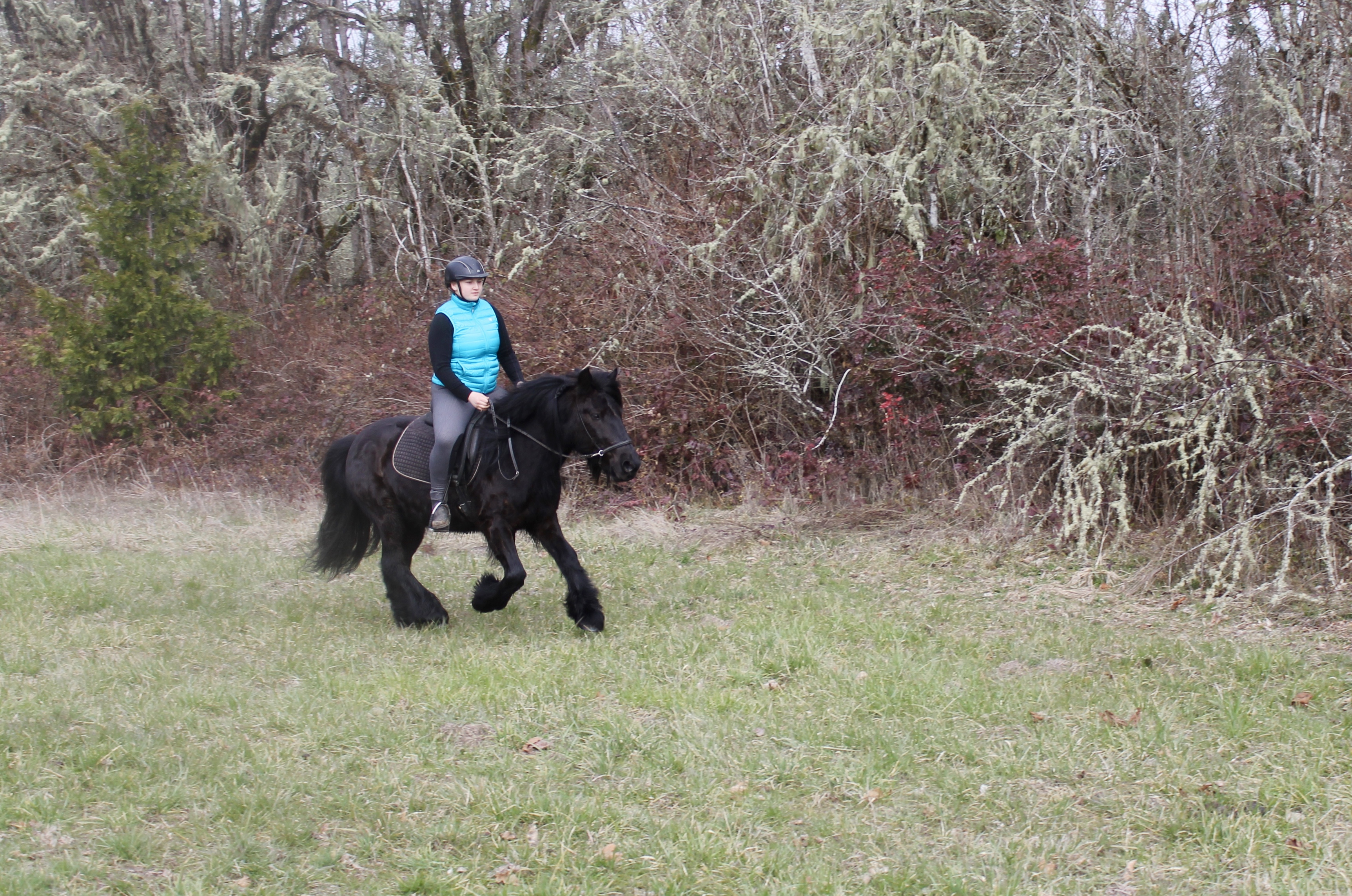
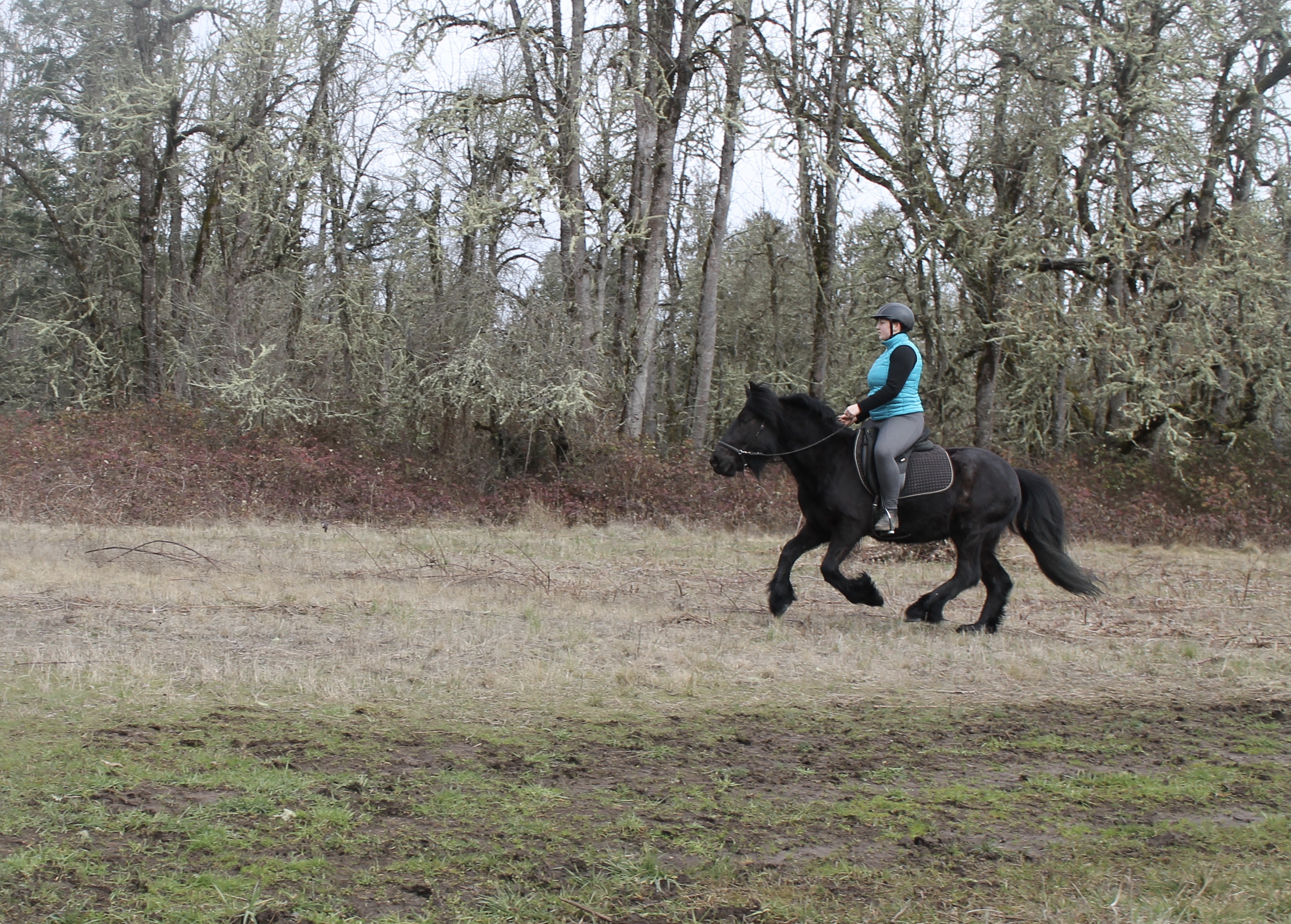
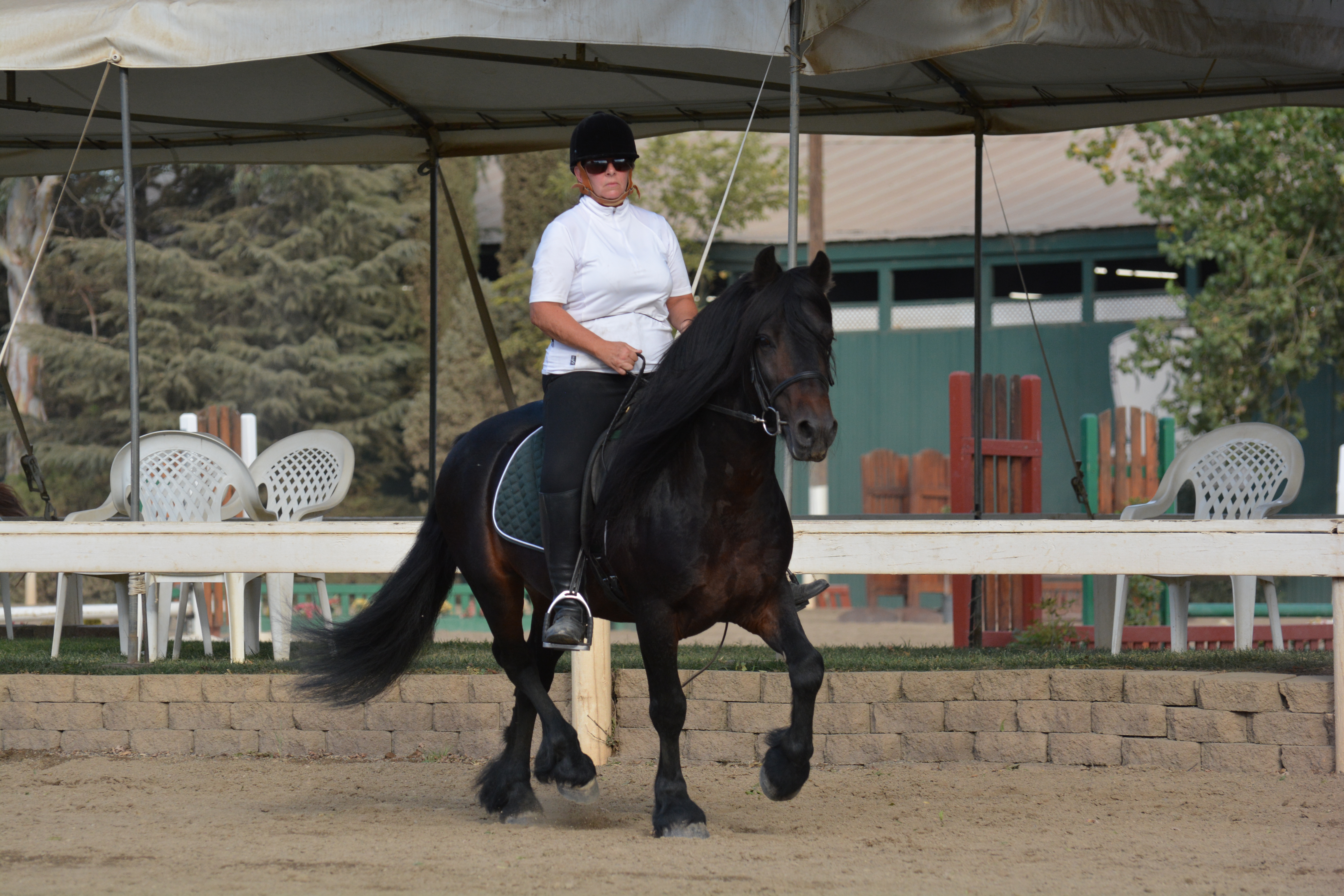
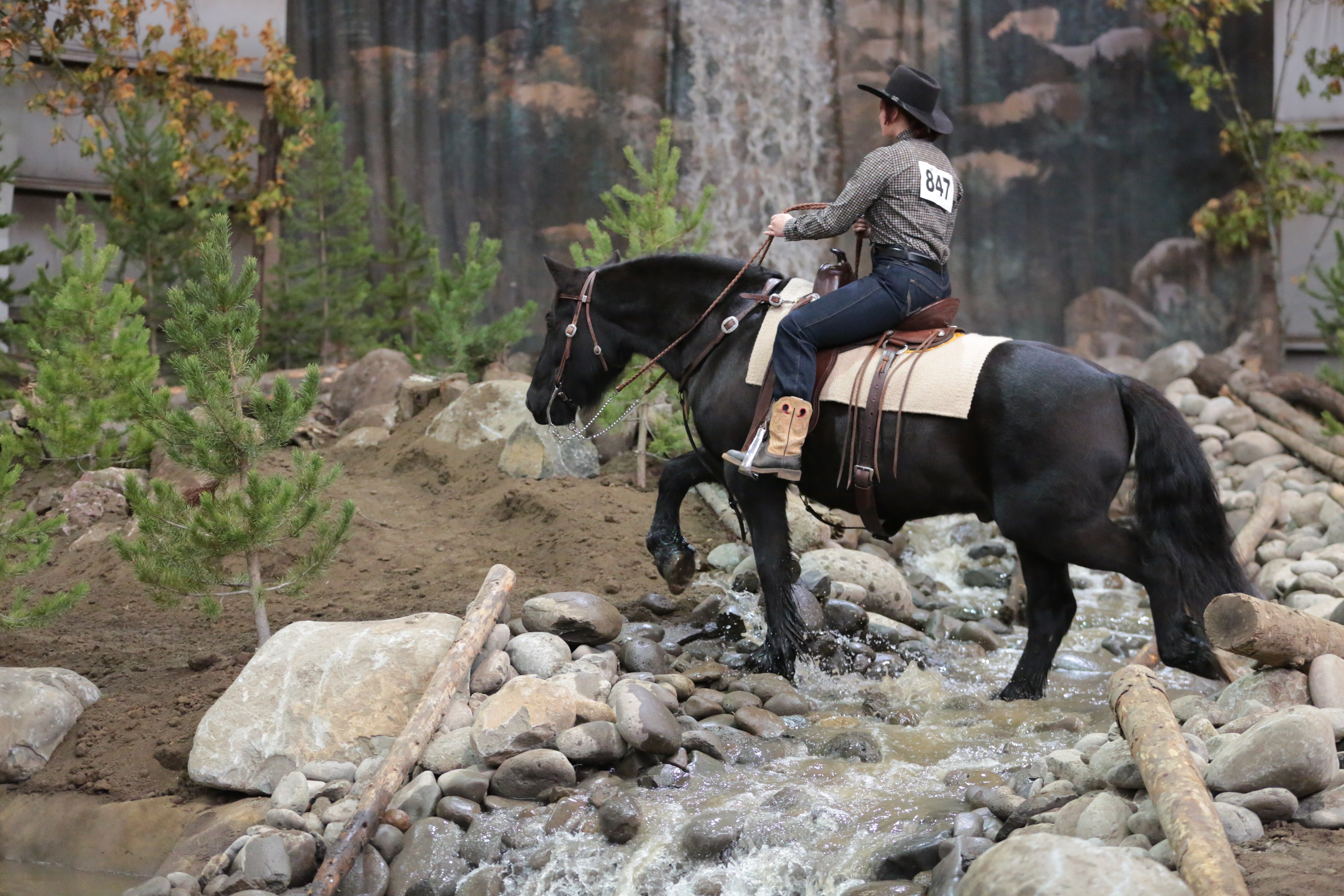
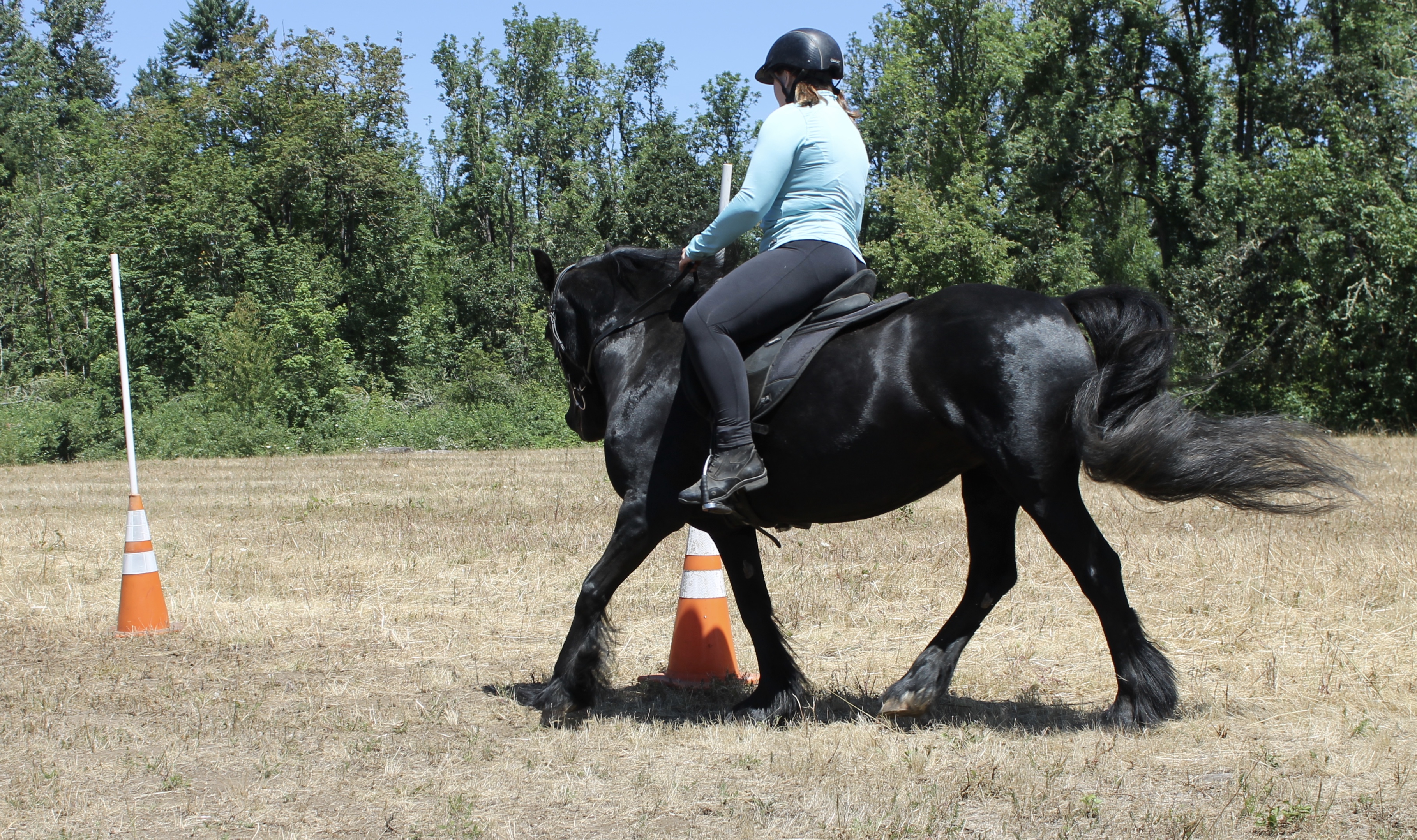
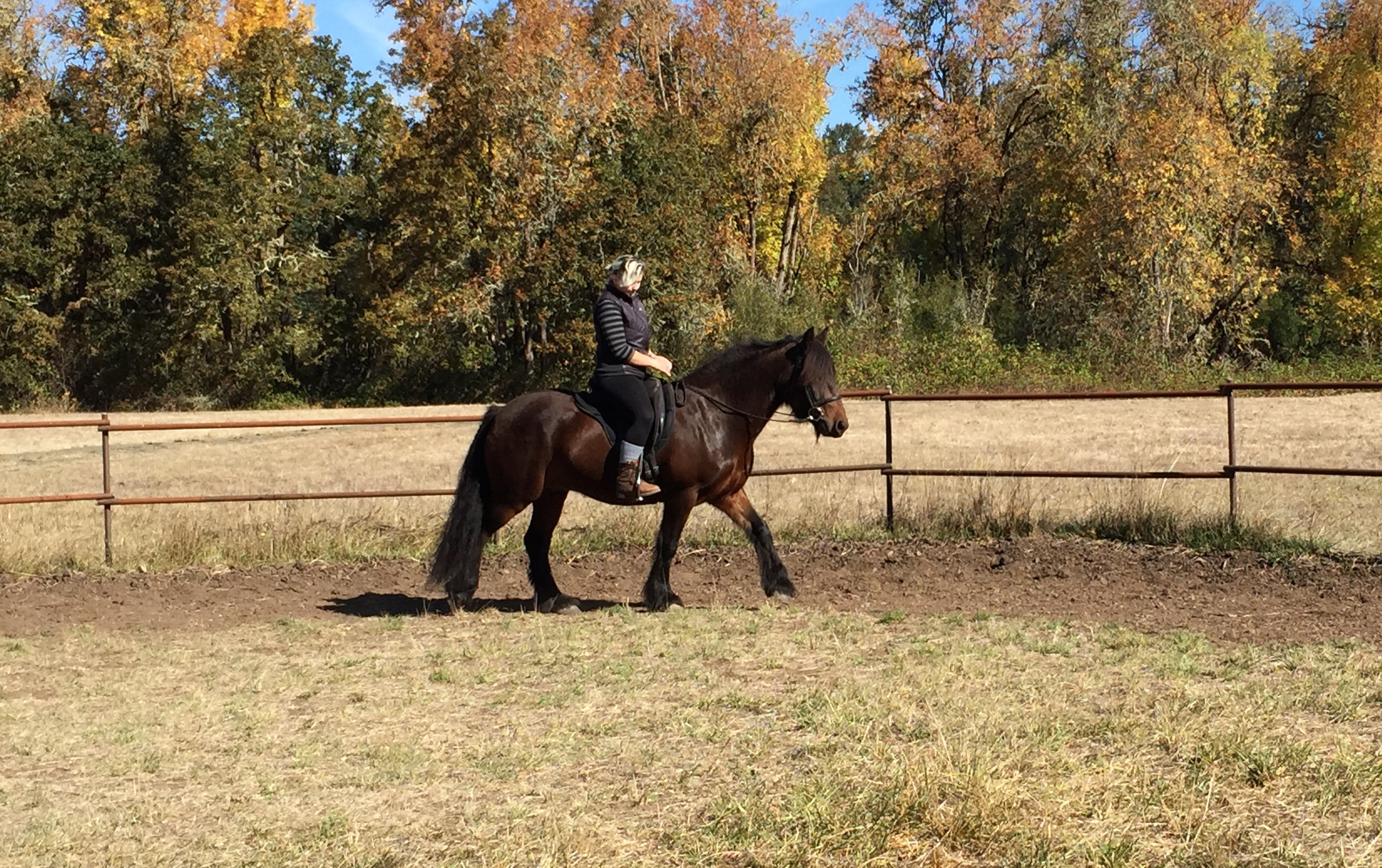
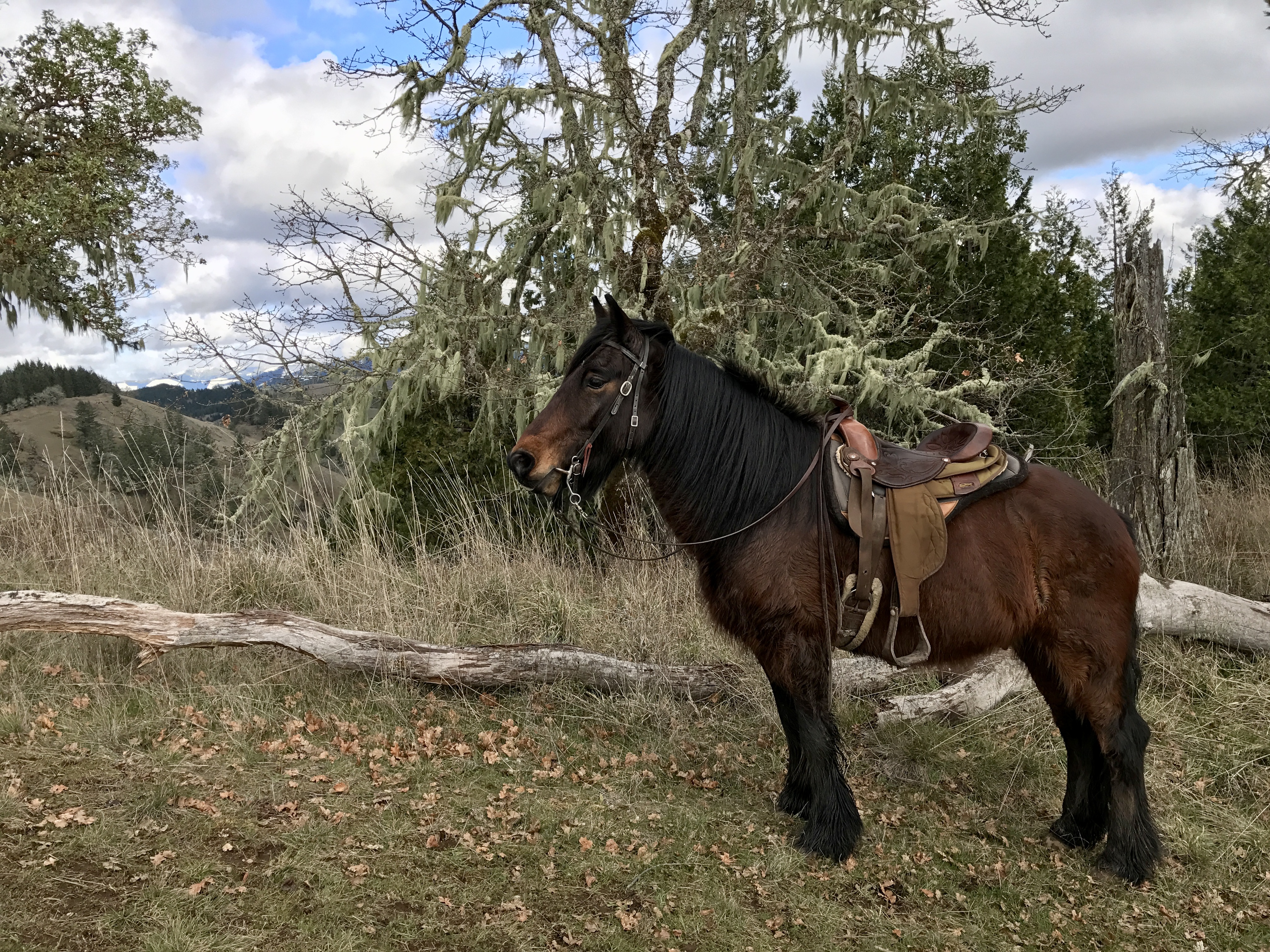
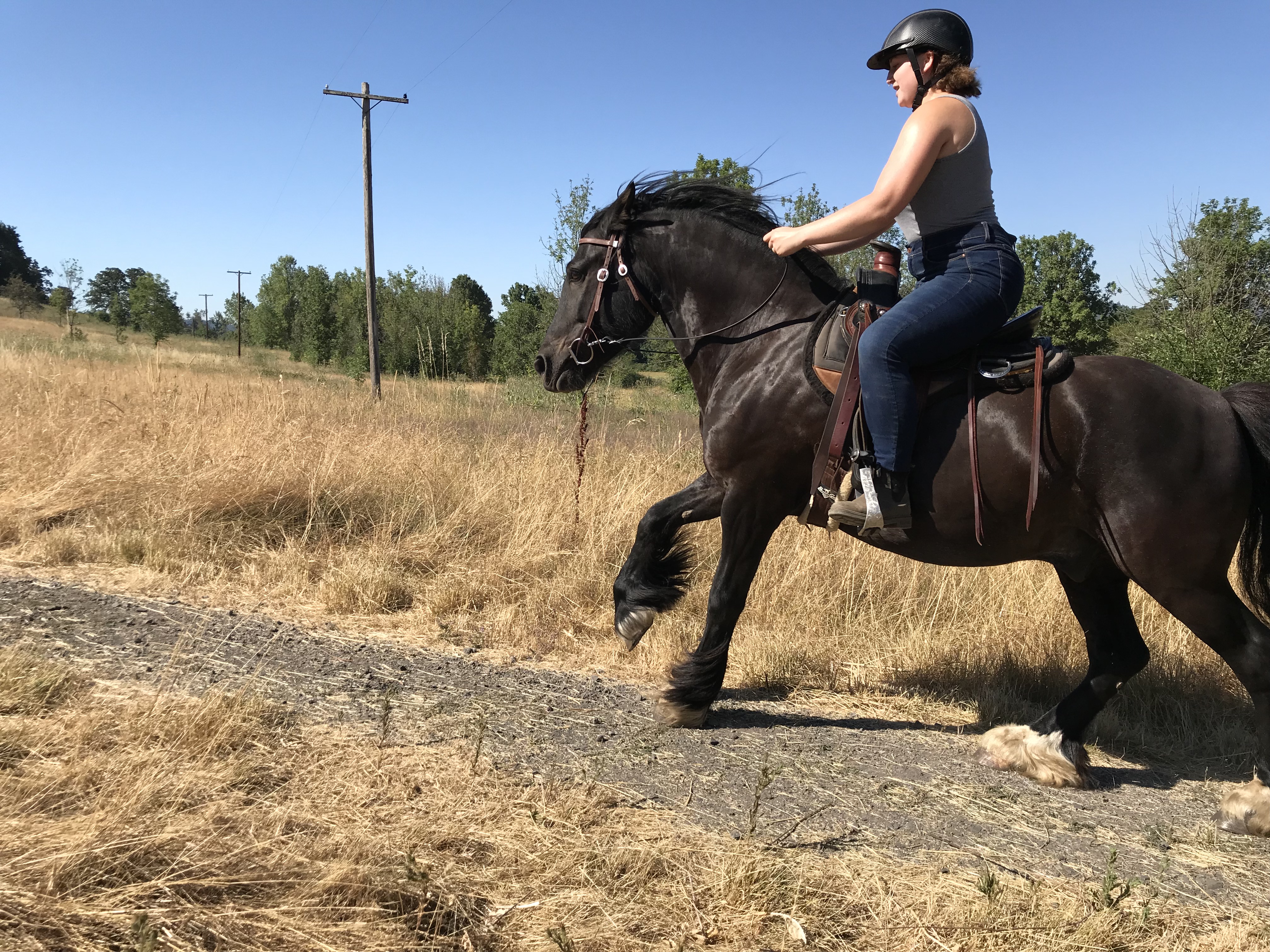
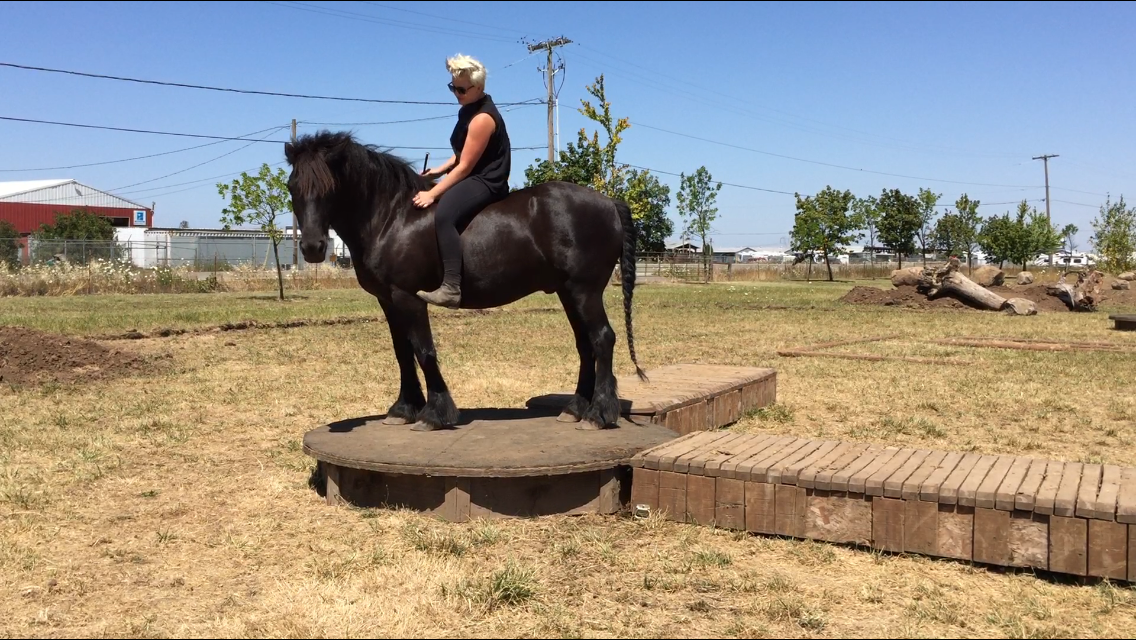
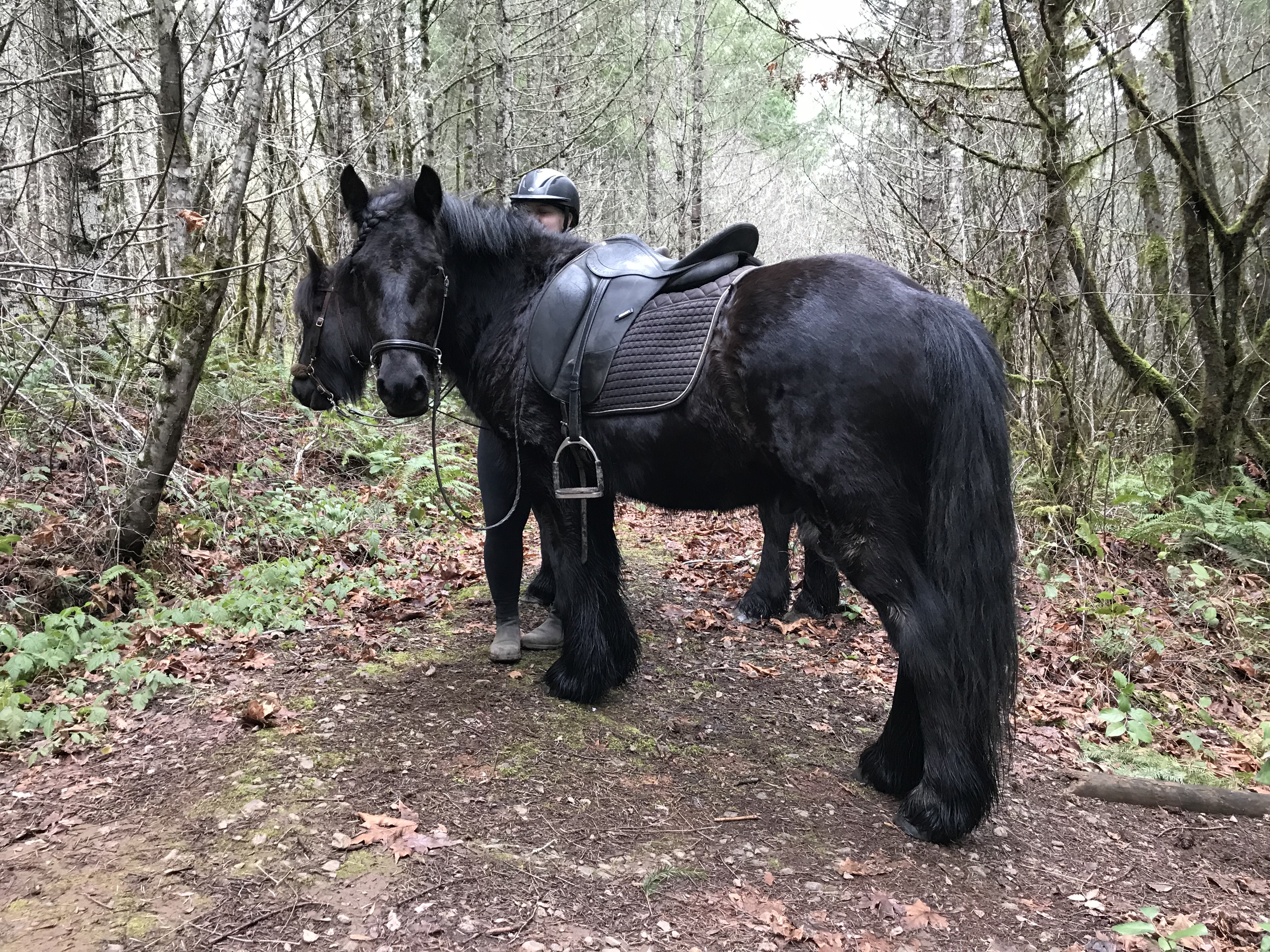
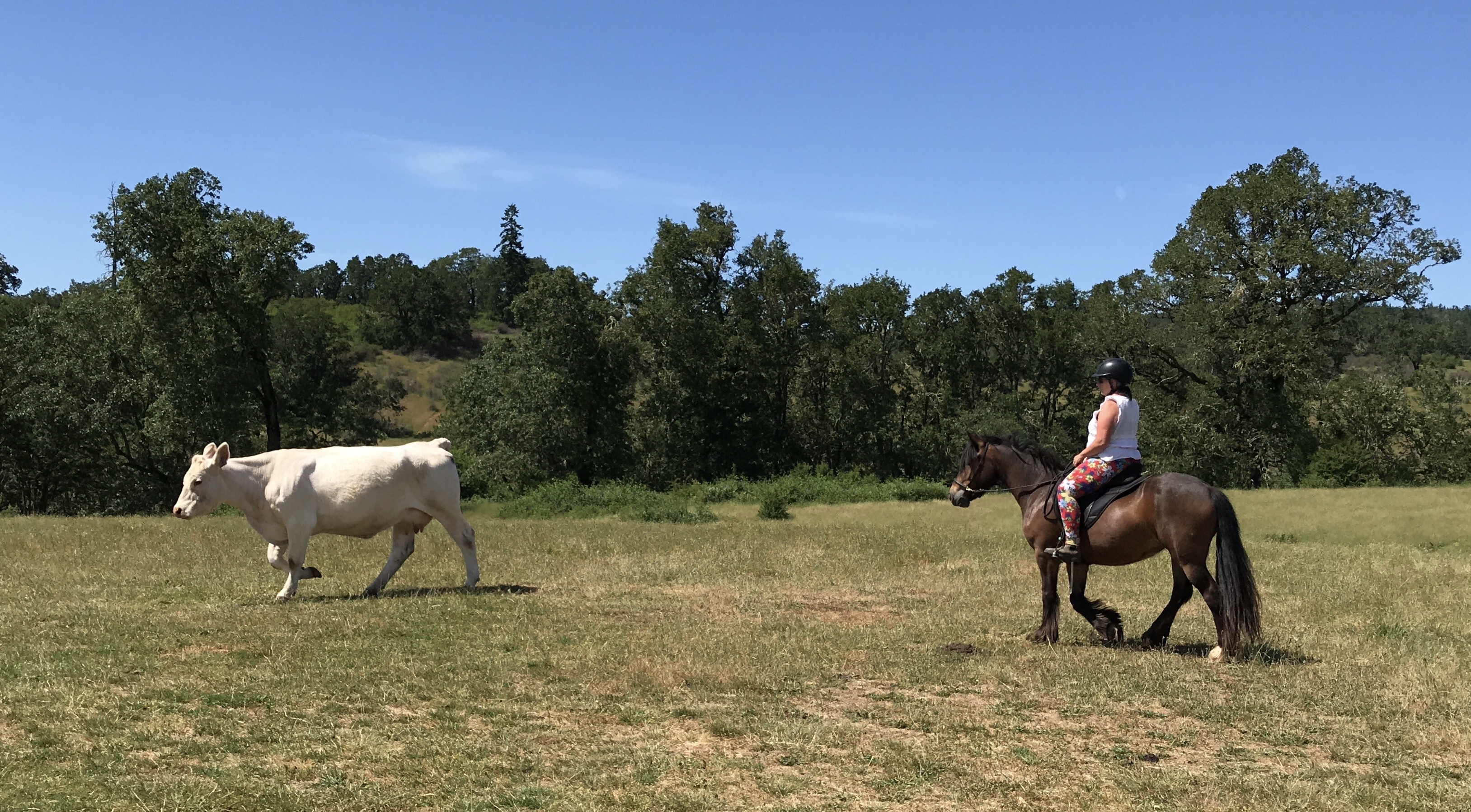
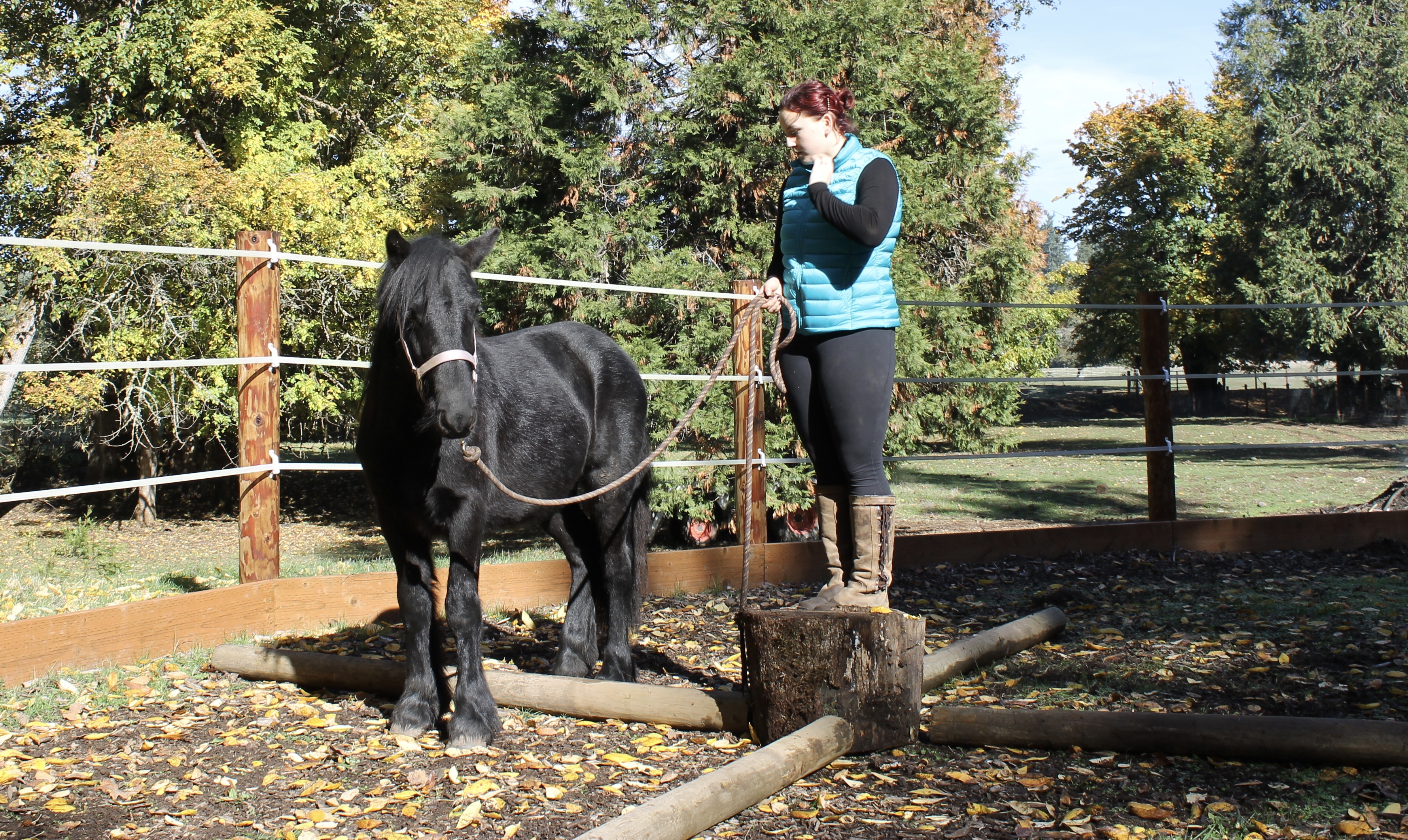
2025 Marks a Milestone: Training and Working With 108 Ponies Since 2012!
Over the years, the Get Grounded Equine team has had many incredible opportunities to gain lived experience working with and training these breeds. Working with other breeds alongside and prior has given us a lot ofinsight into how Fell and Dales compare to these other breeds. Some were home bred and raised. Others came from fellow breeders and clients. We are so grateful for all the opportunities to learn, especially the experiences where we could compare related ponies and ponies that returned multiple times throughout their stages of development.
- 92 of the ponies we worked with were in the formative years (weanling to 7 yrs.)
- 23 of the ponies came for multiple periods of training during their formative years, allowing us to see development and growth.
- We developed 12 of these ponies long term (riding over 2yrs.) giving us insight into forming strong bonds and cooperative relationships.
- We have raised, ground trained, licensed 9 young stallions. We also saddle trained a 6 yr. stallion that we did not raise.
These achievements were made by a team effort: Trainers Kimberly, Naquel and Perrin Dunn as well as several years working closely with Lydia Scott of Lydia Scott Equine Services.
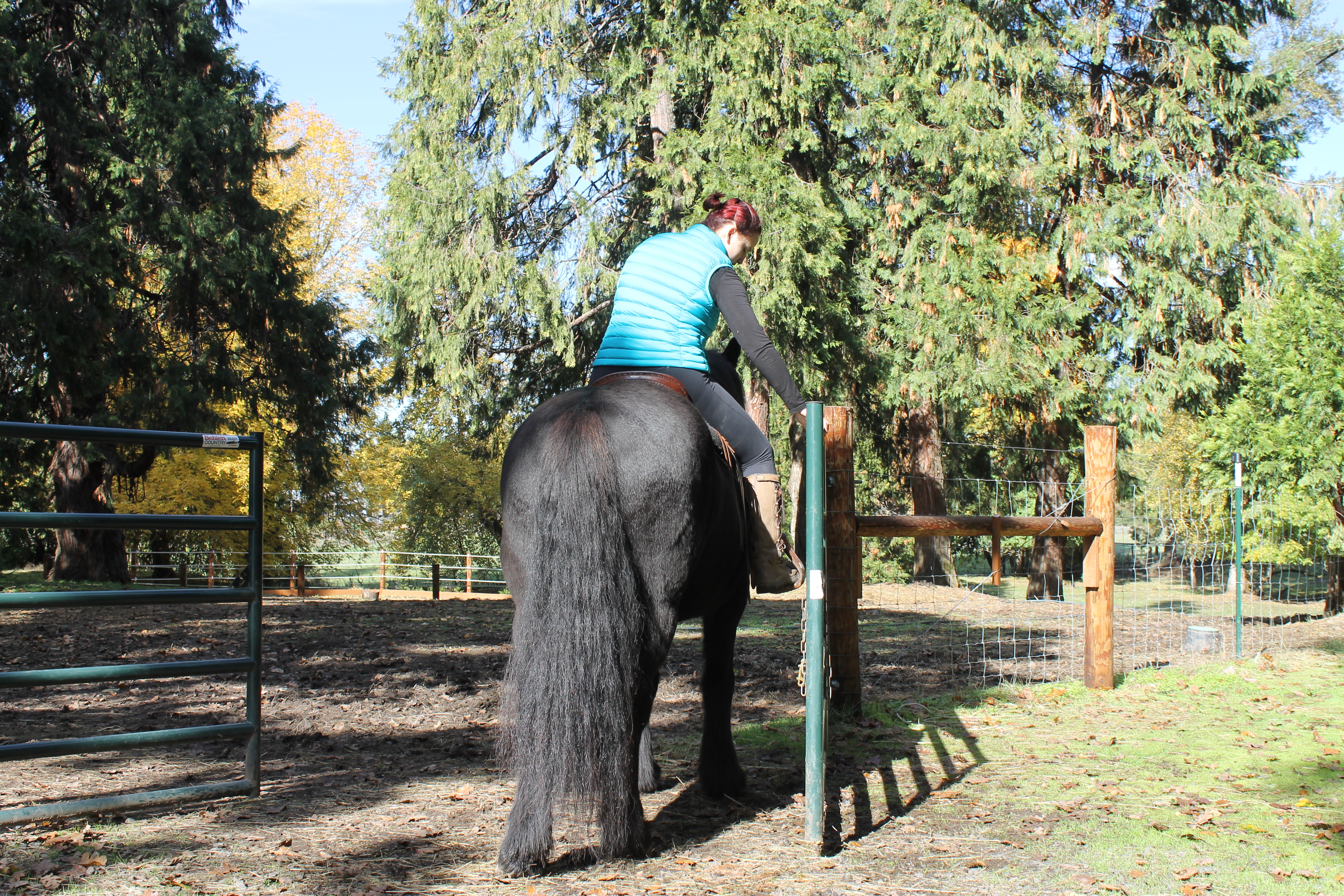
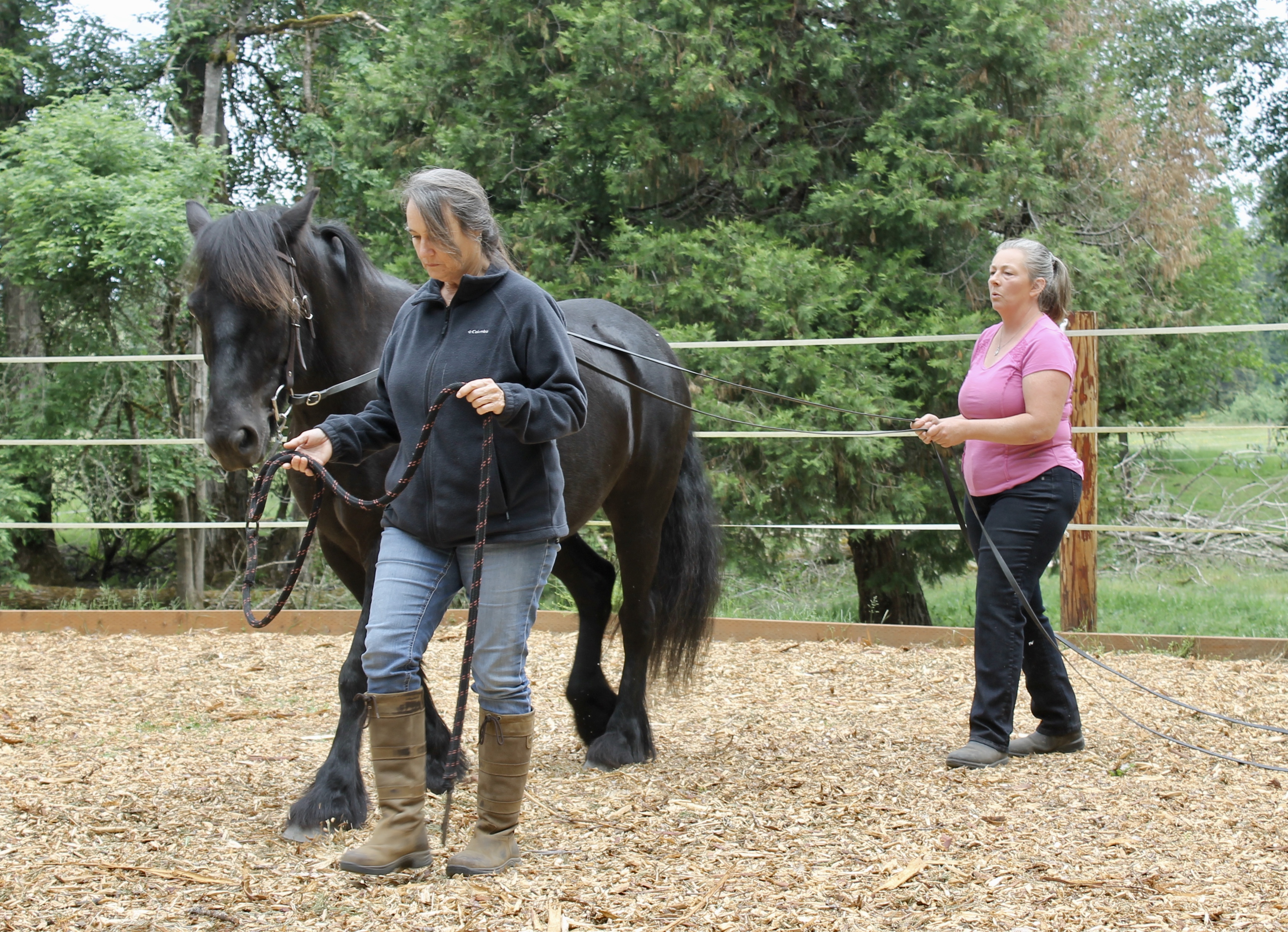
Get Grounded Equine's approach involves 3 progressive phases: 1. Liberty, in-hand obstacles and hiking on trails. 2. Long reining arena and trail. 3. Saddle on trail and arena. These phases are designed and implemented according to maturity signs and physical development. We approach training with a growth mindset. This means an individual pony has segments of learning interspersed with periods of 'letting them be' throughout the formative years. This is often contrary to a more common fixed (colt starting) mindset where a blanket age is set for a horse to start and go through all the phases at once. We have kept age data to show the trends related to readiness for one or more of the phases.
- The breakdown of 31 ponies we introduced to saddle: 3.5-4yr.- 11 ponies. 5-7 yr.- 13 ponies. 8-10 yr.- 4 ponies. 11+ years- 3 ponies.
Note: How we approached introduction to a 4yr. old is often different than to a 6 or 7 yr. old. As we have gained experience, we have developed a more precise guide to determine readiness. In the early years, we introduced saddle in the early part of 4 yrs. More currently we see better readiness closer to 5 yrs. - The breakdown of 30 green ponies that continued with us and/or came already started with a few rides: 4 yr.- 4 ponies. 5-7 yr.- 18 pones. 8-10 yr.- 2 ponies. 11+ years- 6 ponies.
- We did continued work with 24 ponies who came to us fully trained.
- We have worked with 52 weanlings/yearlings and 43, 2-3yr. olds in the ground work phases (obstacles, trail hiking, liberty, long reining).
A Bit About Training These Breeds
The Fell and Dales pony breeds possess an intriguing two pronged quality of being able to 'push' against pressure yet be incredibly responsive to quiet, gentle signals. I believe these opposing traits give an incredible dualistic advantage that lends well to developing them into great partners. Both breeds are thinkers, usually possess a high level of curiosity. Shaping behavior is most successful through approaches that access cognition (problem solving) rather than reactivity created by overt pressure. The dualism with this breed requires us to find the 'sweet spot' of pressure, to pay attention to their feedback on the intensity and to incorporate quiet spaces for thinking. In an equine world that emphasizes respect and cooperation, these breeds have been selectively bred to be born that way. This means some mainstream pressure/release methods may be counter-intuitive in building rapport. It may help to differentiate between pressure/release models that are believed to establish broad concepts such as respect, trust, and obedience and more precise uses of pressure as signals to think and respond. Rather than handlers directing pressured situations through the use of aids towards the pony, we have found that developing emotional regulation comes from encountering natural external pressures that are resolved together as partners. Negotiating a series of obstacles together or a schooling walk together in the woods will do more for development than a session in a round pen or on a lunge line. It's much better for these breeds to learn skills outside of high pressure situations and aids first. Then the use of pressure type cues can be learned an utilized in a very light handed way. Highly cognitive breeds can also get bored and frustrated by repetitive rote memorization related to bio-mechanical manipulation via pressure type aids.
The joy of working with this breed is tapping into their intelligence, their curiosity, their cleverness, fairness and kindness. Once you commit to foster and seek these traits out in sensible ways, you will find a lifetime treasure in your pony friend.
© Copyright FiddleHead